
Popular Tools For Fixing Uneven Subfloors You Can Trust
Discover essential tools and products that make repairing uneven subfloors easier, faster, and more reliable for any DIY or professional pro
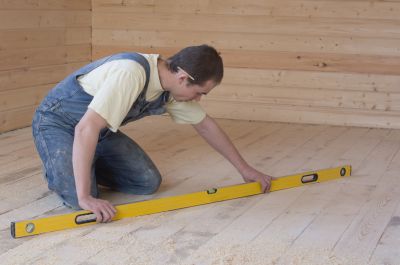 Uneven subfloors can pose significant challenges when it comes to installing new flooring or maintaining existing surfaces. Addressing these issues effectively requires selecting the right products that can level and stabilize the subfloor. The process typically involves assessing the extent of unevenness, selecting appropriate materials, and applying them with precision to achieve a smooth, even surface. Proper repair not only enhances the appearance of the finished floor but also helps prevent future problems such as squeaking, shifting, or damage to the flooring material itself.
Top Overall Option
Self-Leveling Underlayment
A versatile self-leveling underlayment offers a reliable way to address varying degrees of unevenness in subfloors. Designed to flow and settle into low spots, it creates a smooth, level surface suitable for a variety of flooring types. Easy to mix and pour, it provides a seamless finish that can significantly improve the quality of subsequent flooring installations. This product is often favored for its ability to adapt to different subfloor conditions and its quick curing time, making it a practical choice for both DIY projects and professional applications.
Types of Products For Uneven Subfloor Repairs
Self-Leveling Compounds
Fluid mixtures that spread out to fill low spots and create a flat surface, suitable for various subfloor materials.
Shims and Spacers
Adjustable supports used to raise and level sections of the subfloor before securing or covering.
Plywood Patching Panels
Pre-cut plywood sections that replace or reinforce damaged or uneven areas of the subfloor.
Floor Leveling Screws and Jack Posts
Mechanical devices used to lift and stabilize sagging or uneven subfloor sections.
Underlayment Sheets
Thin layers of material installed over the subfloor to smooth out minor unevenness and provide a uniform surface.
Rigid Foam Insulation Boards
Insulation panels that can also serve to fill gaps and level minor irregularities.
Liquid Patching and Repair Products
Fillers and patching compounds designed to repair small holes or cracks in the subfloor.
Vibration Damping Mats
Flexible mats that help absorb movement and reduce unevenness caused by structural issues.
Adhesive Leveling Tapes
Specialized tapes used to build up or level areas before applying other repair products.
Fiber Reinforced Patching Compounds
Heavy-duty fillers that provide additional strength and stability to repaired areas.
Epoxy Floor Patches
Durable epoxy formulations for filling and leveling concrete or wood subfloors.
Cementitious Underlayments
Cement-based products that can be applied over existing surfaces to correct unevenness.
Polyurethane Foam Fillers
Expanding foam products that fill gaps and minor depressions in the subfloor.
Flexible Underlayment Membranes
Thin, pliable layers that conform to subfloor contours and help create an even surface.
Levelling Beads and Tapes
Tools and materials used to guide the application of leveling compounds and ensure even coverage.
Adjustable Floor Supports
Mechanical supports that allow for precise height adjustments of the subfloor structure.
Popular Choices
Widely used for creating smooth surfaces over uneven concrete or wood subfloors, suitable for many flooring types.
Commonly used for minor adjustments and leveling of subfloor sections before final installation.
Popular for replacing damaged or warped sections in subfloors, providing a stable base.
Effective for lifting sagging areas and supporting structural stability.
Often used to fill minor gaps and provide insulation while leveling the subfloor.
Preferred for small cracks or holes, offering quick and easy repairs.
Popular in areas prone to movement or structural vibrations, helping to stabilize the subfloor.
Convenient for building up low spots before applying larger repair products.
Favored for durable repairs on concrete surfaces or heavily damaged subfloors.
Often selected for leveling concrete slabs prior to flooring installation.
Valuable for filling gaps and minor depressions quickly and effectively.
Chosen for their ability to conform to uneven surfaces and provide a smooth base.
Used in structural repairs to lift and stabilize sagging or uneven subfloor areas.
For homeowners and contractors alike, understanding the variety of products available is essential. From self-leveling compounds to adjustable shims and underlayment systems, there are numerous options tailored to different types of unevenness and subfloor materials. The choice depends on factors such as the severity of the unevenness, the type of flooring to be installed, and the existing subfloor condition. Using the right products can facilitate a more straightforward installation process and contribute to a more durable, long-lasting result.
When selecting products for subfloor repairs, it is important to consider ease of application, drying or curing times, compatibility with existing materials, and the level of adjustment needed. Some products are designed for minor adjustments, while others can handle more significant unevenness. Proper preparation, including cleaning and priming the subfloor, is crucial to ensure optimal adhesion and effectiveness of the repair materials. Whether tackling a small patch or a large area, choosing the appropriate products can make a notable difference in the quality of the finished surface.
Overall, investing in the right products for uneven subfloor repairs can lead to better flooring outcomes, reduced installation issues, and increased satisfaction with the project. It is advisable to evaluate the specific needs of your space and consult product specifications to select the most suitable solutions for your situation.
Key Buying Considerations
- Assess the severity of unevenness to determine the appropriate product type and amount needed.
- Compatibility with the existing subfloor material, whether concrete, wood, or other substrates.
- Ease of application, including mixing, pouring, and curing times, especially for DIY projects.
- The level of adjustment or correction required, from minor bumps to significant dips.
- Drying or curing times to ensure the surface is ready for subsequent flooring installation.
- Adhesion properties of repair products to ensure long-term stability.
- Flexibility or rigidity of the repair material to match the movement characteristics of the subfloor.
- Cost-effectiveness based on the size of the area and the product's coverage capacity.
- Availability of additional reinforcement options, such as mesh or fiber reinforcements.
- Environmental conditions like humidity and temperature that may affect curing or application.
- Compatibility with the planned flooring type to avoid adhesion or leveling issues.
- Durability and resistance to future movement, cracking, or moisture exposure.
- The level of surface finish required for the subsequent flooring installation.
- Tools and equipment needed for application to ensure proper and safe use.
- Manufacturer instructions and recommended usage to maximize product performance.